
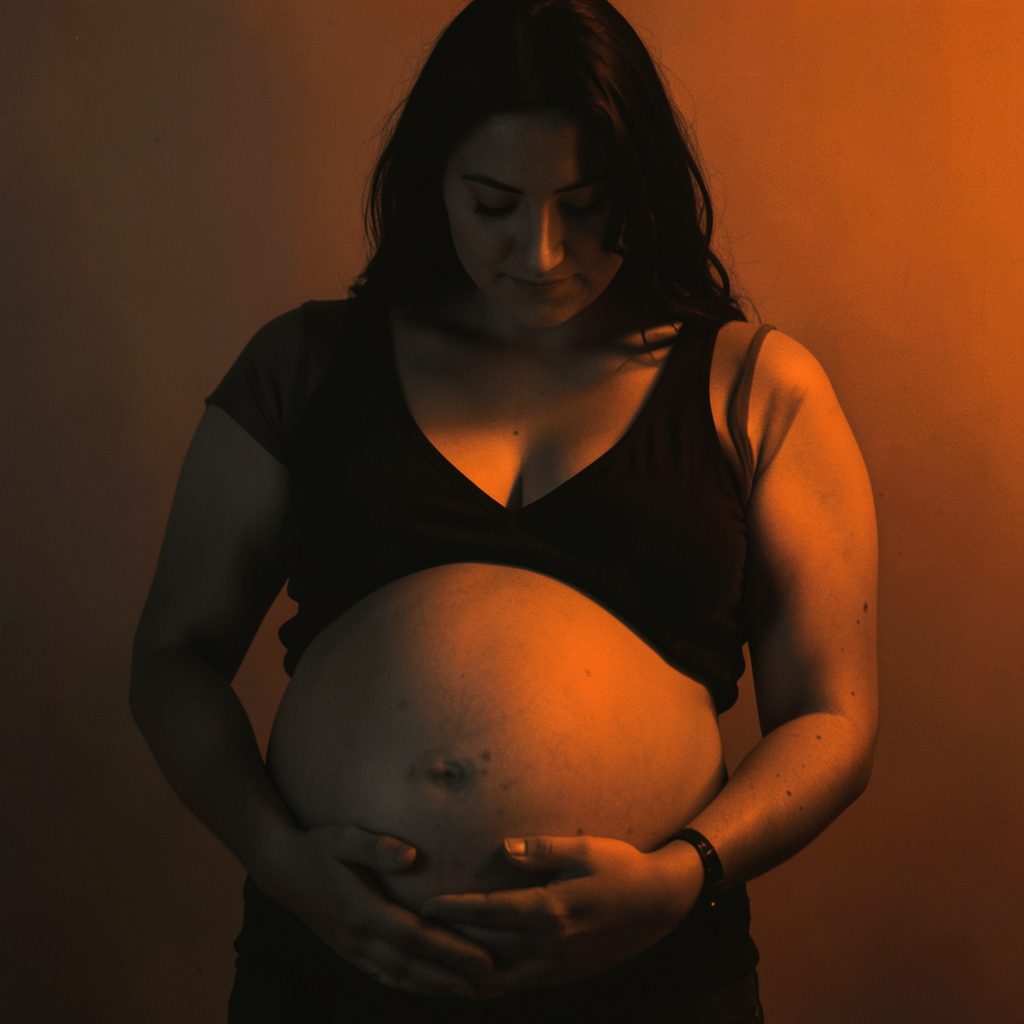




Social media responsibility through adoption
Using social media responsibly during your adoption journey means treating every post, comment, direct message, and shared document as information that may outlive the moment it was sent. Pregnancy, birth, adoption, and family identity carry deep personal stakes, so privacy should be planned rather than reconstructed after a concern appears.
Support can be valuable: Australians often use private Facebook groups, Messenger chats, Instagram, and TikTok to connect with other expectant parents, birth parents, and adopters. The same reach that creates community can expose location details, documents, and private histories to people who were never part of the decision.
Protect private details from the start
Before sharing a pregnancy or placement update, list who should see it and what can be inferred. Remove names from ultrasound photos, avoid live location check-ins, and review photo metadata. Posts about a due date, hospital, donor conception, or a child’s identity can help someone connect scattered details even when each post appears harmless.
Australian privacy protections are divided across federal and state or territory laws, while adoption requirements also vary by jurisdiction. In Sydney, Melbourne, Brisbane, Perth, Adelaide, Canberra, Hobart, and Darwin, use each platform’s current privacy settings rather than assuming one Australian setting applies everywhere or that a private account is invisible. A call with Florida may also cross roughly 14 to 16 hours, depending on daylight saving, so confirm the agreed time.
Do not upload a birth certificate, identity paper, court form, or unredacted report to a public feed. When a document must be sent, confirm the recipient and secure transfer method first. Where practical, a PO Box or Australia Post Hold Mail can reduce unnecessary disclosure of a home address.
Build a trusted support circle
Create separate groups for practical support, legal information, and personal encouragement. A closed group can reduce exposure, but administrators still need clear rules: no screenshots, no forwarding, no advice about coercive birth-parent decisions, and no collecting addresses or phone numbers. Membership should be accepted only after consent from everyone whose story appears.
Consent should be specific and revisable. Agree on when a pregnancy will be announced, whether names or photographs can be used, and which relatives may comment. Birth parents may later want a different level of contact or visibility than adoptive parents, and an adoption plan can change as circumstances and law develop.
For cross-border work, distinguish general peer advice from professional guidance. Australians pursuing adoption through a Florida-licensed agency should ask the Department of Home Affairs and the relevant state or territory adoption authority about intercountry assessment, home studies, character checks, and post-placement reporting before treating an overseas agency’s timeline as legally settled.
Verify people, licences, and claims
Online communities can contain people impersonating agencies, adopters, donors, or birth parents. Treat unfamiliar messages with the same scepticism you would apply to dating profile red flags: inconsistent photos, copied biographies, urgency, secrecy, payment requests, and repeated refusal to communicate through a verifiable channel are reasons to disengage.
Confirm an agency’s licence and identity through official records, then speak with the person through a phone number and video call published by the organisation. Never send money, banking details, intimate photographs, or a child’s original identity documents to someone met only through an app or group.
One World Adoption Services is a Florida-licensed private nonprofit that describes its role as confidential, no-pressure counselling with legal, medical, housing, and possible financial support. People comparing agencies should verify current licensing, eligibility, service area, and fee terms directly with the agency and the relevant authorities.
Handle difficult conversations carefully
Comments can feel like an invasion when pregnancy, birth, or adoption is involved. Decide which platforms you will read and who can message you, then mute, block, or use moderation tools without apology. Do not argue publicly with an ex-partner, donor, relative, or stranger whose account of your private life is inaccurate.
Disputes about consent or misinformation are better handled through private, fact-based communication than public pile-ons. Keep relevant dates, messages, and records, avoid deleting material that may matter to a legal or safeguarding review, and obtain qualified advice before making threats or admissions online.
Guidance on choosing a maternity can help clarify questions about support and safety, but it should not replace independent legal advice or a licensed local service. Anyone arranging care from another country should confirm travel, visa, insurance, and birth-record arrangements before sharing documents with a provider.
Keep support beyond the screen
Keep a private record of decisions, contacts, and commitments, while recognising that digital records can be requested in legal or safeguarding processes. Use a password manager, multi-factor authentication, and separate email addresses for documents and public profiles. Review old posts after a placement or birth, especially if names, locations, or photographs remain searchable.
Support should continue after the announcement. Birth parents, expectant parents, adoptees, and extended family may need different kinds of help, while public popularity can create pressure to perform gratitude or certainty. Private check-ins with a counsellor, support worker, or trusted adviser can provide perspective that group comments cannot.
Set a simple rule for digital privacy: every post, message, and file should have a clear audience, documented consent, and a confirmed recipient. When any of those three are uncertain, keeping the information private protects the family without blocking genuine support.
Keeping uncertain information private protects dignity before a birth, during placement, and long after an adoption announcement. The practical takeaway is a three-point check for every adoption-related post: a clear audience, documented consent, and a verified recipient.