
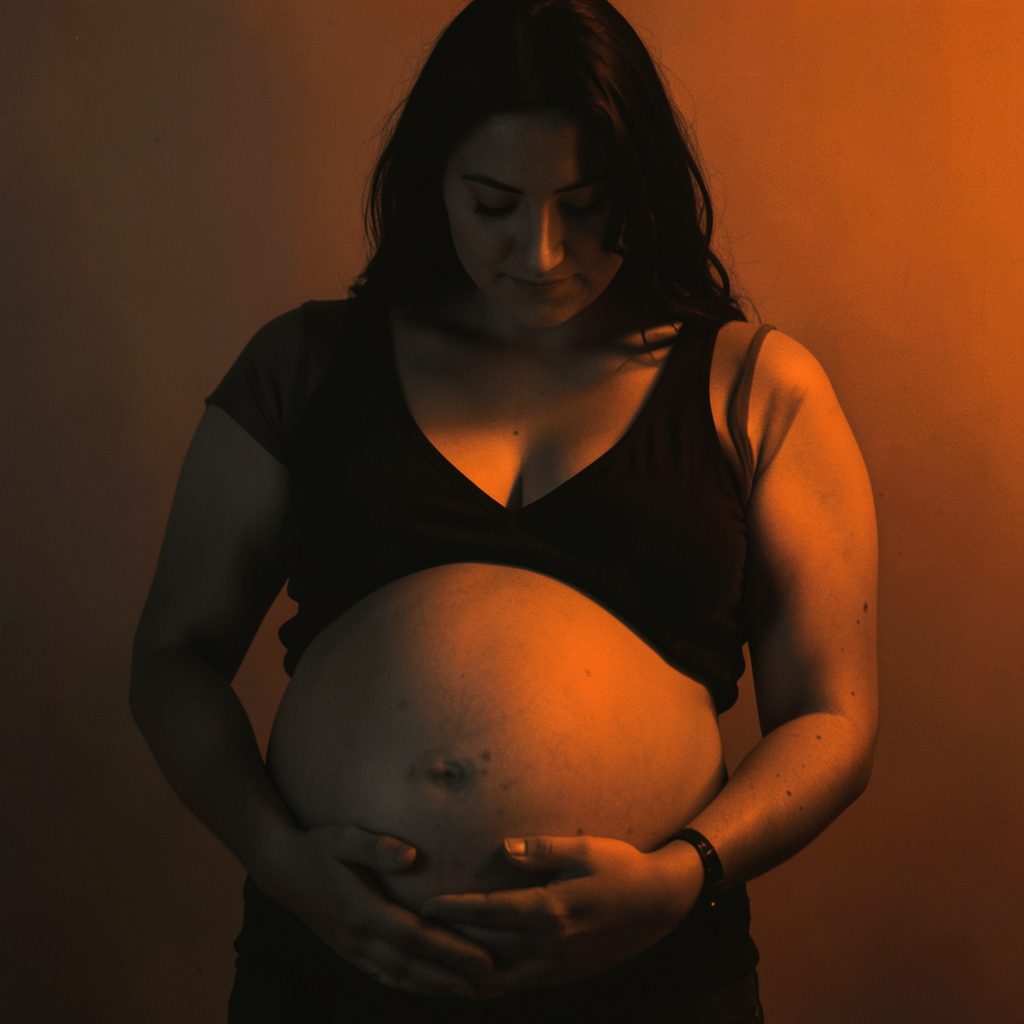




How to choose a maternity home that fits your needs
In Australia, “maternity home” can describe several different services: residential accommodation for a pregnant person, a specialist mother-baby unit, crisis housing, or a supported programme connected with adoption and birth-parent support. The wording matters because one setting may offer housing while another provides around-the-clock clinical and mental-health care.
A good match balances safety, medical continuity, privacy, daily comfort and support after birth. It should also respect whether you plan to parent, pursue adoption, or remain undecided without pressuring you toward a particular outcome. For someone making an unplanned pregnancy decision, confidential counselling can help clarify those choices.
Begin with current local information rather than a generic directory, because services and eligibility rules change. A GP, obstetric provider, midwife, adoption counsellor or government family service can explain referrals, fees and relevant state or territory protections before you arrange a visit.
Identify the type of support you need
A residential maternity home is not the same as a hospital birth suite, a publicly funded mother-baby unit or emergency housing for family violence. In Australia, useful search terms include “supported housing”, “birth mother accommodation” and “pregnancy crisis service”. Ask each provider to explain its legal status, referral pathway and whether clients are also eligible for public maternity care.
Next, identify what you actually need. A first-time parent with anxiety may prioritise close GP and mental-health access; a birth mother considering adoption may prioritise independent counselling, legal advice and a plan for confidential contact. Accessibility, cultural safety, dietary needs, whether rooms are shared and the likelihood of a move to regional housing should also shape the shortlist.
Check clinical and mental health support
Australia’s maternity system includes Medicare-funded public hospital care, with private hospital and obstetric options for people using private health insurance or paying privately. Confirm whether a home works with your chosen clinician and whether transfer to a public hospital is available if complications arise. A tour should cover access to midwives, obstetricians, GPs and telehealth, particularly for women living outside major cities.
Mental-health support deserves equal attention. Check for specialist mother-baby expertise, crisis response after hours, alcohol and drug policies, pain relief, breastfeeding or formula support, and safeguarding procedures. If you need a formal mental-health admission, ask whether the service is a specialist unit and what discharge criteria apply; some programmes require a public referral.
Understand legal and safeguarding boundaries
Child-protection and adoption law vary across states and territories, so a home in Melbourne may operate under different consent, privacy and records rules from one in Sydney or Brisbane. Ask whether it is a private, faith-based or government-funded provider, who can legally consent to adoption, and how complaints and incidents are reviewed. Birth parents should receive independent legal advice before signing anything.
A Florida comparison is available through One World Adoption Services, a Florida-licensed private nonprofit offering unplanned pregnancy support and possible financial aid. Its Florida licence and US legal context do not replace local Australian advice, so use it to understand service features, then check every promise against local law and policy.
Compare cost, location and daily life
Residential fees may include a deposit, meals, laundry, utilities, internet and support hours, while some programmes charge separately. Medicare rebates generally cover maternity care rather than residential accommodation, and private health insurance may not include a home stay. Ask for an itemised fee list and whether Centrelink or other income-support payments could affect your budget.
Location can determine whether a placement remains workable. Services are concentrated in major capitals such as Sydney, Melbourne and Brisbane, while many regional areas have fewer specialist options. Compare travel time, public transport, safe visiting arrangements, access to a support network and the local labour ward, not just the address.
Look beyond the building
Beyond the building, assess how people are treated. A respectful service explains house rules, visitor privacy, phone access, leaving arrangements and how concerns are escalated. Ask about staff continuity, interpreter access and support for Aboriginal and Torres Strait Islander women, including whether they can work with an Aboriginal Community Controlled Health Organisation. Secular, faith-based and culturally specific homes may suit different families, so compare values as well as services.
After-birth support can determine whether a placement feels safe and practical. Check whether counselling continues after discharge, whether families receive referrals for legal help, housing, transport and income support, and how contact between a birth mother and child is managed. People may call future care and contact arrangements an “adoption plan”, although their legal effect depends on the circumstances and jurisdiction.
Make a clear, evidence-based choice
Use the same criteria for every provider: safety, clinical cover, legal boundaries, total cost, location and post-birth support. Visit at least once, ideally at different times of day, and speak with the person who coordinates admission rather than only the intake staff. A support person, independent adoption counsellor or legal adviser can help identify inconsistencies.
Be cautious if a provider will not explain costs, refuses written policies, discourages you from speaking with current or former clients, or pressures you to decide immediately. Read any agreement carefully, especially terms about leaving, confidentiality and complaints. The next step is a one-page comparison of the three strongest options, using those six criteria so the final choice rests on current evidence rather than impressions.