
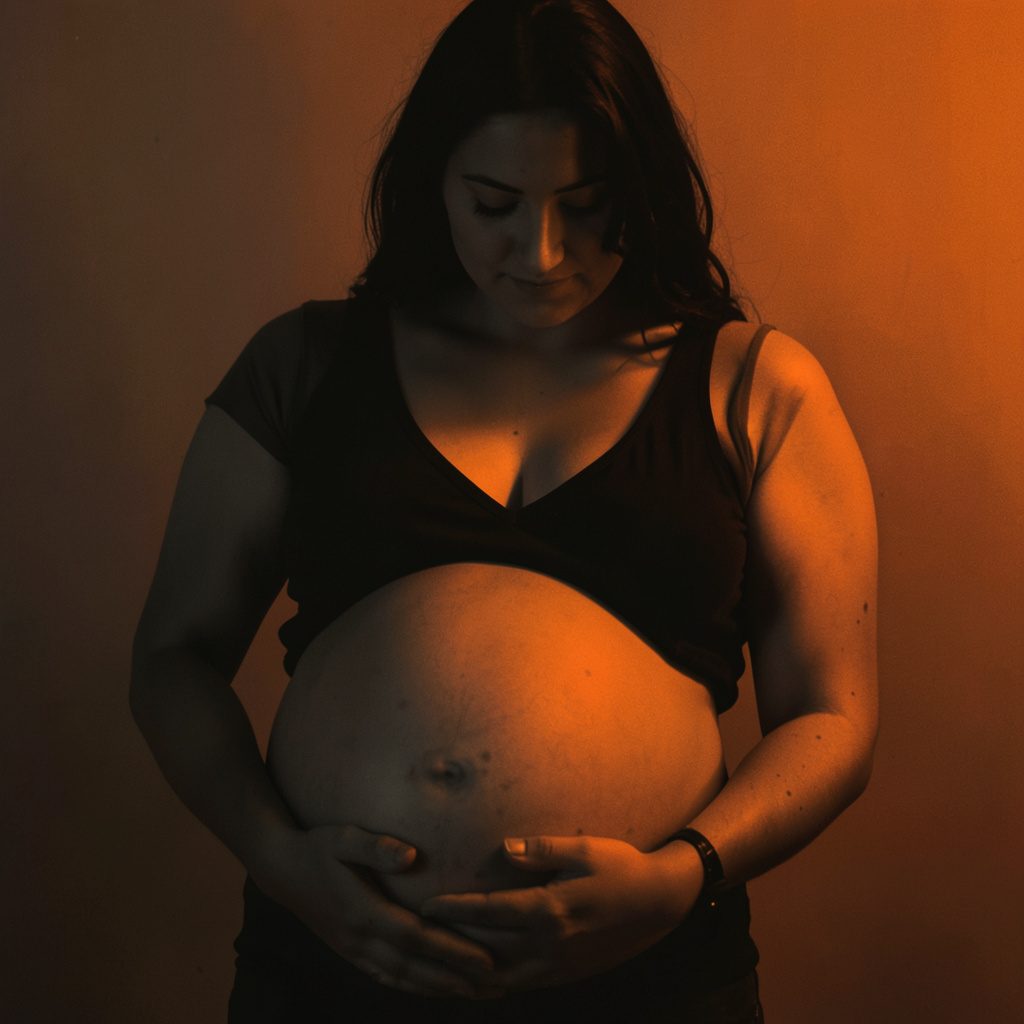




What to Put in a Birth Mother's Adoption Journal
Putting pen to paper can feel like a small thing when the days feel very big. Many women in Australia find that a quiet notebook becomes a steady companion throughout an unplanned pregnancy, a place to untangle feelings, ask honest questions, and remember what they want the future to look like. The pages don't have to be polished. They only have to be yours.
There's also something grounding about the physical act of writing in a country where adoption has carried a heavier history than most. After the 2013 National Apology for Forced Adoptions, many Australians began speaking more openly about choice, consent, and the right to be heard. A journal can be part of that conversation with yourself, a record that reflects your voice and your decision in your own words, regardless of how the story eventually unfolds.
If you're wondering where to begin, it can help to think of the journal less as a diary and more as a series of small letters, some addressed to your baby, some to your future self, and some simply to the moment you're standing in right now. Below are the kinds of entries that tend to matter most when the pages are reread years later.
Setting the Tone and Structure of Your Journal
Before you write the first entry, choose a notebook or folder that feels right in your hands. A spiral-bound A5 lives easily in a handbag on the tram, while a keepsake box with loose-leaf pages suits someone who prefers to add things like ultrasound pictures or a pressed flower from a Melbourne park bench. There's no wrong format, only the one you'll actually use.
Decide early on whether you want this to be a private record or something that may eventually be shared through an open adoption arrangement, which is now the most common pathway in states like Victoria, Queensland, and NSW. Many mums keep two sections, one for reflections meant only for themselves, and another for words that may travel. Labelling the pages with simple tabs makes the difference clear without needing to rewrite anything.
Documenting Your Thoughts and Emotions
Honest emotional writing is where the journal really earns its keep. Scribble down the swirling mix of relief, sadness, anger, hope, and clarity that often arrives in the same week. Don't tidy it up. The rawness is what helps you look back and see how far you've come, and it gives future readers, including the child, a true window into your mindset at the time.
In Australia, free counselling lines such as Pregnancy Birth and Baby on 1800 882 436 and Lifeline on 13 11 14 can support you while you write. Jot down the date, what triggered the feeling, and what helped you settle afterwards, whether that was a long arvo walk along the Yarra, a phone call to a mate, or simply a warm cuppa and ten minutes of quiet.
Recording Pregnancy and Health Details
Pragmatic notes sit beside the emotional ones. Keep a clear record of your pregnancy milestones, due dates, obstetrician or midwife visits, Medicare numbers, and any medications or supplements you're taking. These details may matter for the adoptive family's medical history file, and they protect you as well, ensuring nothing important gets lost between appointments in Brisbane, Perth, or wherever you're based.
Include your own family health background too, things like hereditary conditions, allergy notes, and the kind of milestones your own mum might remember about your babyhood. Australian adoption paperwork typically asks for three generations of medical history, and a well-kept journal makes that conversation far easier when the time comes.
Sharing Your Story Through an Open Adoption Letter
An open adoption letter is often written alongside journal entries and included in the legal adoption file as adoption plans differ across Australian states. Write to your child the way you'd speak to a grown-up version of them, explaining why you made the choice you did and what you hope their life will hold. Name the values, traditions, and AFL allegiances you want them to know about, even the small ones.
There's space in this letter to be candid about the harder parts too. Australian research through organisations like AdoptChange has shown that children fare well when they know the truth, told gently and at their own pace. A letter that reflects your real circumstances, rather than a glossy idealised version, often becomes one of the most treasured items in the whole file.
Adding Mementoes and Keepsakes
A journal feels richer when it holds more than writing. Tuck in a scan of the first ultrasound, a hospital tag, a soft lock of hair, or a handprint made with a friend at a Brisbane pottery class. Birth certificates, Centrelink paperwork related to your care, and contact details of your support worker all have a place in the back pocket of the folder.
Some birth mums add photos of themselves at that stage of pregnancy, or a short list of things they were fond of, from bush tucker recipes passed down in the family to favourite tracks on Triple J when they were twenty-two. These textures make the journal feel like a living portrait rather than a record of an event.
Looking After the Privacy of Your Journal
Whatever you choose to share, keep the original somewhere safe. A fireproof box at home, a sealed envelope with a trusted friend, or a digital scan saved to a password-protected cloud folder are all reasonable options. Australian privacy laws around adoption records are strict, and your words should only travel when you say they can.
If parts of the journal feel too raw to leave written down, photograph them and keep the physical pages in a sealed bag, or rip them up and retain the date. Your comfort matters as much as the archive.
The most useful thing you can do tonight is simply open a blank page and write one true sentence. That single line is the start of a record that will speak for you long after the decisions have been made, in your own voice, on your own terms.