
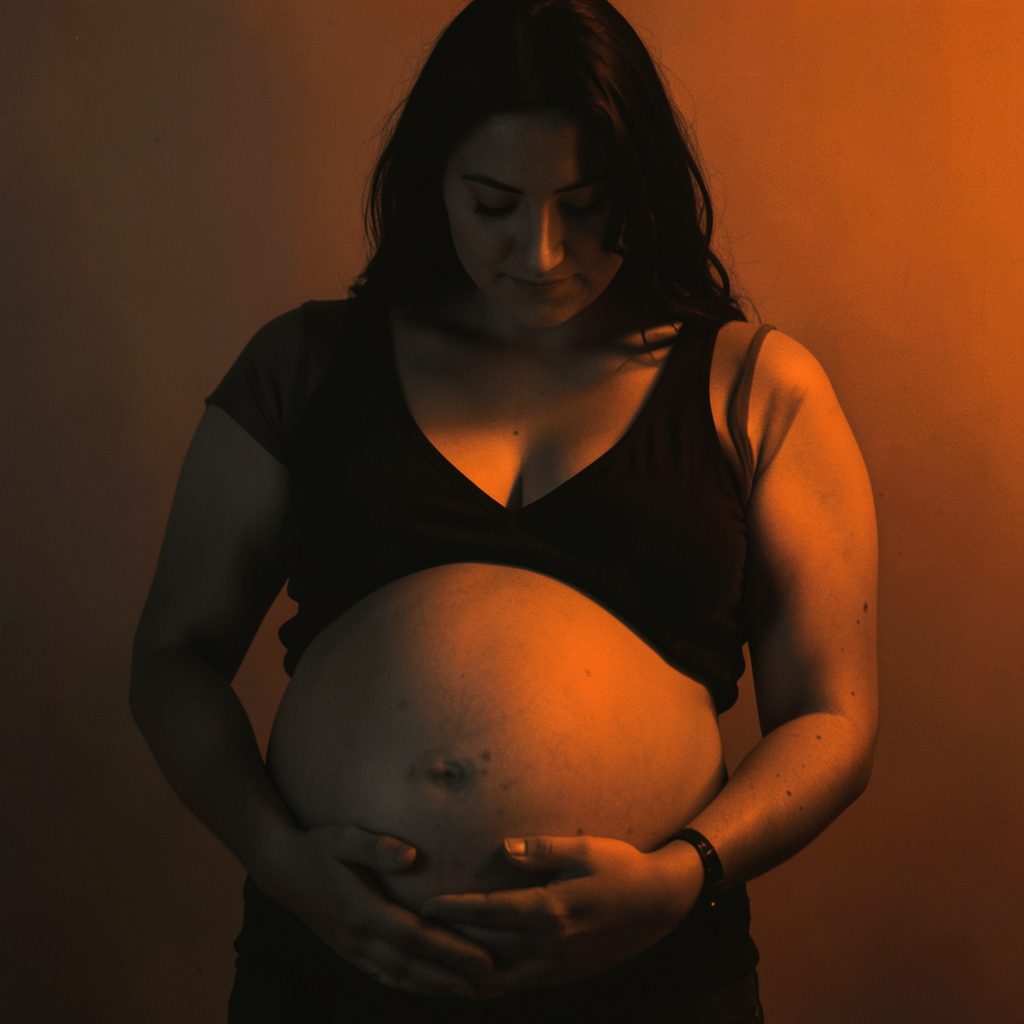




Relocation support for birth mothers after adoption placement
Relocating after an adoption placement can combine a practical move with an emotional transition. Birth mothers may move for work, housing, family support, safety, education, or a fresh start. A good plan addresses grief, income, healthcare, consent arrangements, and support together.
In Australia, adoption is regulated by state and territory law rather than one national office. For birth mothers who relocate after placement, NSW, Victoria, and Queensland rules on contact and identifying information may differ. People often search for birth mother support, post-adoption counselling, and relocation assistance.
A useful plan separates urgent needs from longer-term goals. Stable accommodation, income, medicines, documents, and one trusted person usually come first. An adoption counsellor, general practitioner, legal adviser, and housing worker can then help build a sustainable move.
Florida placements need a cross-border lens. One World Adoption Services is a Florida-licensed private nonprofit providing confidential, no-pressure counselling, legal and medical guidance, living assistance, possible financial aid, and post-birth support. Australians should combine that support with services in their own state or territory.
Start with the state adoption service
Before moving interstate, ask the adoption authority or authorised provider to review the consent agreement, contact order, non-disclosure terms, and address-change requirements. Updating Centrelink does not by itself satisfy an adoption order.
State and territory services are the safest starting point because they hold records and coordinate with private agencies. NSW, Victoria, and Queensland each use different forms, so a new state may require fresh advice rather than a simple address update.
If a private agency handled the placement, request its written relocation protocol and keep communication through the agreed caseworker. This protects sensitive information while clarifying who can approve contact or record changes.
Build an income and benefits plan
Centrelink can assess income support and family assistance, while Medicare covers eligible GP, hospital, and mental-health care. Housing help usually comes through state or community housing bodies. A Workforce Australia jobactive provider can assist with work search, training, and transport.
Before resigning or travelling, budget for rent or bond, removalists, storage, travel, medication, and several weeks without income. Ask whether adoption-related living assistance, reimbursement, or financial aid is available; eligibility differs by location and circumstance.
Financial help for birth mothers is not automatic. A Centrelink appointment and local legal-advice referral provide a clearer picture than general online claims, and a benefits calculator can identify short-term payment options.
Find suitable housing before committing
Australia's tight rental market makes housing the biggest relocation risk in Sydney, Melbourne, and Brisbane. Regional areas may cost less but offer fewer rentals and limited public transport. Contact a homelessness service, women's crisis accommodation provider, registered community housing organisation, or state housing office before signing a long lease.
A temporary room, supported accommodation, or NSW Staying Safe program may bridge the gap. Ask about rental assistance, bond support, storage, and delivery of essential belongings, and keep receipts because some assistance is reimbursement-based.
Protect legal, medical and adoption records
Legal Aid NSW, Victoria Legal Aid, and local Community Legal Centres can explain how an interstate move affects consent orders, confidentiality, and contact arrangements. Obtain advice before breaching a term, including any restriction on identifying or contacting the child or adoptive family.
Medical continuity deserves equal attention. Ask the current GP for a transfer summary, medication repeats, and a Mental Health Treatment Plan if needed. MyHealthRecord can hold health information, although adoption and identifying records require a separate privacy process.
Do not upload adoption documents to consumer file-sharing accounts or send them to an unverified organisation. Request records directly from the authorised provider and store them securely.
Support grief and identity after placement
Grief after placement can surface long after the move, especially when birthdays, milestones, or old routines are marked alone. Bereavement Australia, a GP, a psychologist, an adoption counsellor, and appropriate peer groups can provide post-birth and post-adoption support without pressure on decisions already made.
Relocation can also reshape identity and relationships. One World's guide to grief after placement can help separate the decision to adopt from the continuing need to grieve. For a Florida placement, its confidential counselling and post-birth support are relevant, but they do not replace Australian local services.
Rebuild support and take one practical step
A destination plan works best when it names people, not only places. Keep one trusted friend nearby, ask a community centre or cultural organisation for regular check-ins, and arrange transport and a weekly wellbeing call. These supports can prevent isolation during the transition.
For birth mothers rebuilding confidence or considering a new relationship, general relationship guidance can supplement peer and professional support. Online dating should use the same privacy and safety checks as any unfamiliar contact.
Use a checklist covering housing, income, healthcare, consent orders, and support contacts, then review it with qualified local professionals. Telephone the relevant state or territory adoption service this week and ask for a relocation-support referral, using the checklist to keep the first conversation focused.