
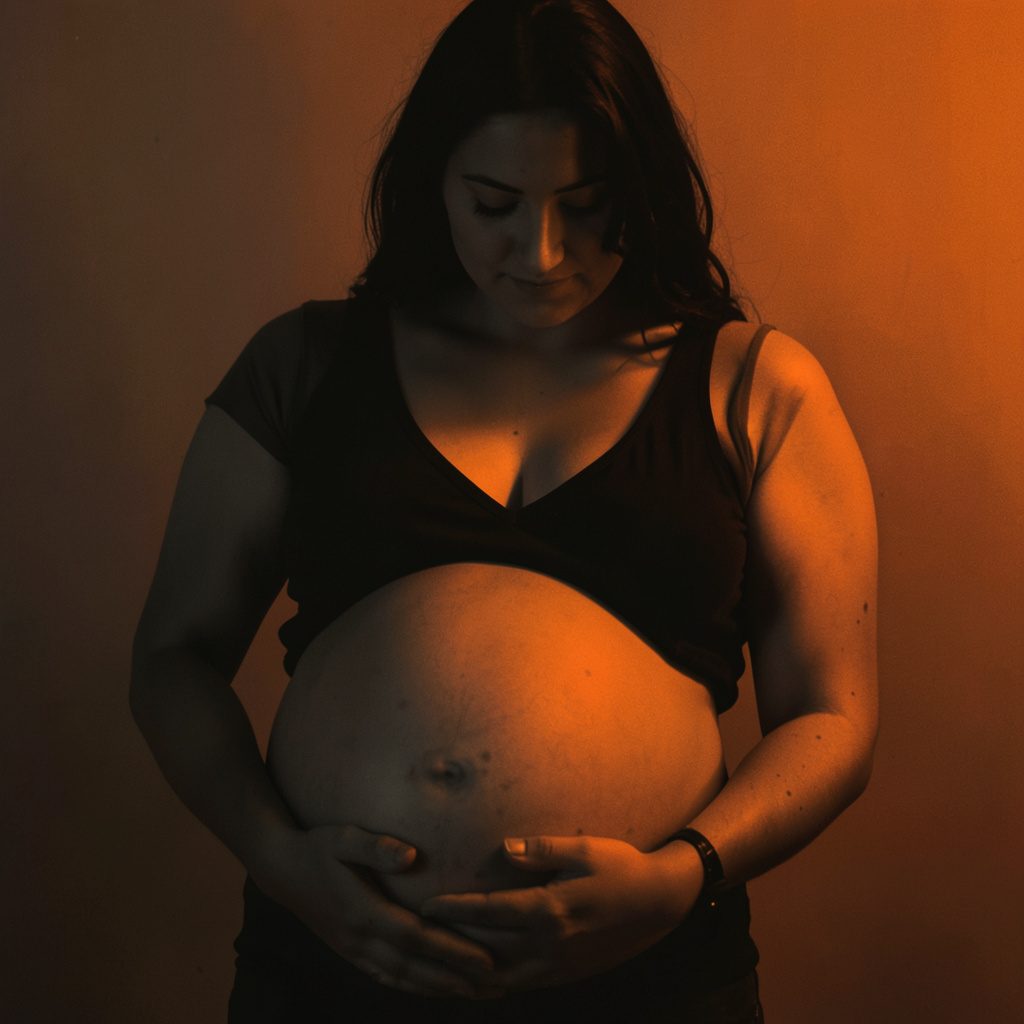




What choosing life can mean when adoption is in view
“Choose life” can mean different things to different people. When someone is experiencing an unplanned pregnancy and considering adoption, it may express a hope that the baby will be born safely and raised in a secure, loving family. It should never be used as pressure, a political slogan, or a way to silence the pregnant person’s own needs and decisions.
Adoption is one possible pregnancy option alongside parenting and ending a pregnancy, where lawful and available. A compassionate process gives a pregnant woman or birth mother time, accurate information, confidential counselling, and practical help before she makes a decision. One World Adoption Services supports people in Florida, while Australian readers should also understand that local rules and services vary by state or territory.
Looking beyond a slogan
Choosing life in an adoption context may involve protecting a baby’s future while recognising the realities of the person carrying the pregnancy. Someone may care deeply about the child and still feel unable to parent because of housing insecurity, age, health, finances, family violence, or an absence of safe support.
The phrase does not require a particular outcome. A decision is meaningful when it is informed and freely made, rather than shaped by guilt, religious expectations, family demands, or promises that sound too good to be true. A qualified counsellor can help separate personal values from immediate pressure.
The decision belongs to the birth parent
The pregnant person remains central throughout the process. She can ask questions, explore different types of adoption, pause discussions, and decide whether adoption is right for her. In many situations, speaking with an agency does not commit her to placing the baby.
For Australian readers, the legal pathway may differ between New South Wales, Victoria, Queensland, South Australia, Western Australia, Tasmania, the ACT, and the Northern Territory. Terms such as “uni,” “TAFE,” “Mum,” and “carer” may feel familiar in everyday conversations, but local child-protection and adoption systems still require professional guidance.
Understanding what adoption involves
Adoption planning usually includes discussion of the child’s future family, medical and social history, contact preferences, legal consent, and post-placement support. Some arrangements involve letters, photographs, or agreed contact; others may have limited communication. The best plan is realistic, clearly documented, and respectful of everyone’s boundaries.
A reputable agency explains what can and cannot be promised. One World Adoption Services is a Florida-licensed private nonprofit agency offering confidential, no-pressure counselling and adoption guidance. Its role can include helping expectant parents consider options rather than steering them toward placement.
Practical support can affect a decision
Pregnancy decisions are rarely only emotional. A person may need transport to appointments, safe accommodation, food, medical care, help with living expenses, or support to continue school. In Australia, Medicare, Centrelink, state housing services, Aboriginal Community Controlled Health Organisations, and local pregnancy services may form part of a broader support network.
In Florida, One World Adoption Services may provide housing and living assistance, possible financial aid, legal and medical support, and counselling subject to applicable rules. Support should meet genuine needs and never be treated as payment for consent. A person’s safety and wellbeing should remain the priority.
Consent must be informed and voluntary
Adoption consent is a serious legal step. The timing, paperwork, withdrawal periods, court requirements, and role of birth fathers or other legal parents can differ according to location. No one should sign documents without independent legal advice and a clear explanation in language they understand.
A young person, including a teenager, may need additional advocacy and age-appropriate counselling. Family members can offer help, but they cannot replace the pregnant person’s right to receive private information. If there is coercive control, family violence, or fear of retaliation, safety planning should happen before adoption conversations progress.
Culture, identity, and the child’s story matter
For Aboriginal and Torres Strait Islander families, connection to Country, kinship, community, and culture can be central to any care or adoption discussion. Culturally safe services should involve appropriate community advice and avoid treating identity as an afterthought. Similar care is needed for migrants, refugees, and families with strong language or faith traditions.
A child’s medical history and family background are also part of their identity. Recording accurate information can help them understand where they come from later in life. Thoughtful planning may include trusted relatives, cultural mentors, photographs, letters, and a clear account of the circumstances surrounding the placement.
Life continues after placement
Birth parents may experience relief, grief, uncertainty, love, or several of these feelings at once. Post-birth support can help with emotional recovery, relationship changes, medical follow-up, and decisions about future contact. It can also help someone rebuild everyday life without suggesting that they should simply “move on.”
Personal identity includes far more than the adoption decision. Employment, friendships, parenting other children, study, and future relationships may all matter. When someone is ready to think about connection beyond the immediate crisis, even ordinary choices such as meeting compatible people should remain separate from agency pressure and handled at their own pace.
The most respectful meaning of choosing life is making room for life in all its complexity: the baby’s wellbeing, the birth parent’s dignity, and an honest plan for the future. If adoption is being considered, the concrete next step is to contact a licensed, confidential counsellor in the relevant state or territory and arrange an information-only appointment before making any commitment.