
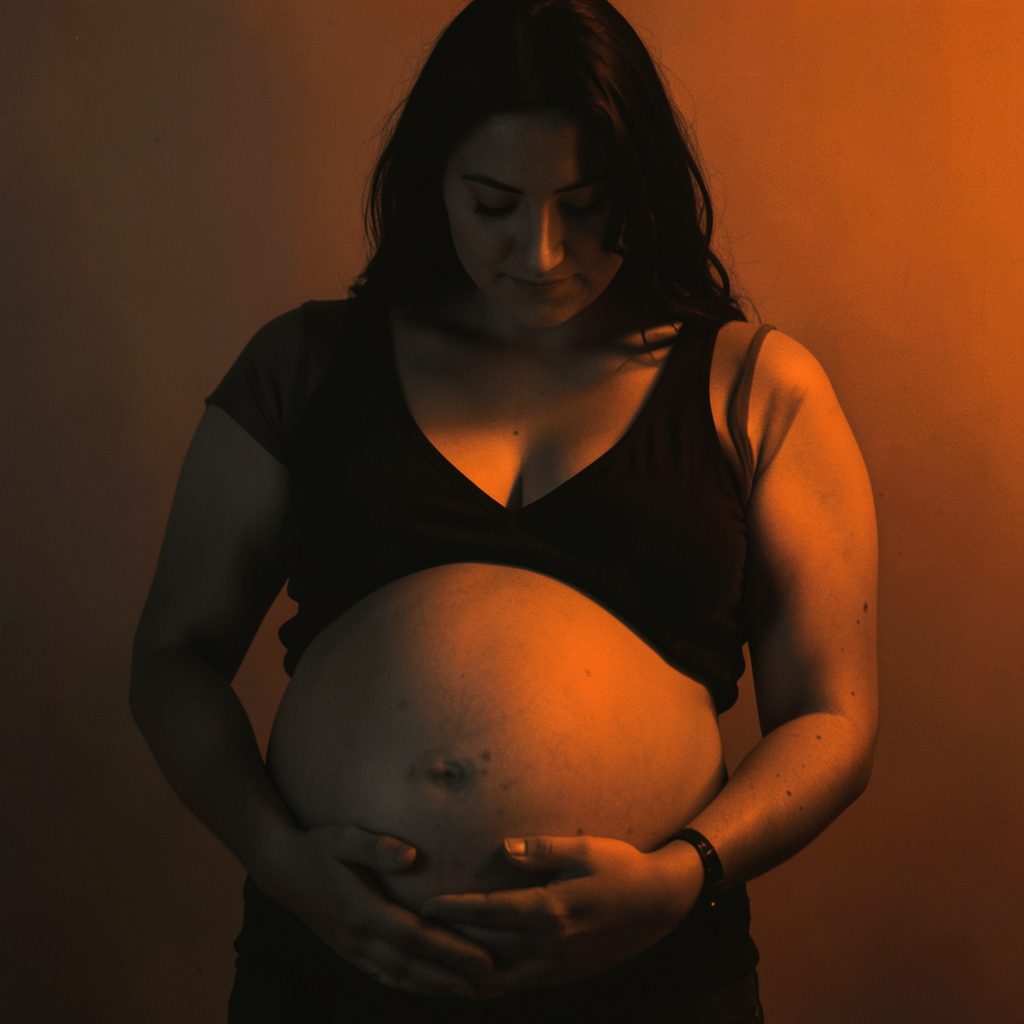




Faith and spirituality in the adoption journey
Faith and spirituality can shape how a pregnant woman, birth mother, or adoptive family understands adoption. Prayer, scripture, meditation, conscience, and moral duty may offer language for uncertainty, comfort, and responsibility during an unplanned pregnancy.
That influence continues beyond placement. It can affect whether people feel welcome in a faith community, how they understand identity, and how they approach parenting, contact, and lifelong belonging. Spiritual support therefore belongs alongside practical, legal, medical, and emotional care.
In Australia, many communities combine Christian, Muslim, Hindu, Buddhist, Jewish, Sikh, and non-religious worldviews. Melbourne, Sydney, Brisbane, and regional towns each have distinct networks of hospitals, churches, mosques, temples, advisers, and charities, so support must fit the person's actual life rather than a prescribed model.
Beliefs that shape a decision
Some people describe adoption through forgiveness, providence, obligation to a child, or a belief in family formed through care. Others use spiritual principles such as compassion and justice without belonging to a religion. Faith can help a person pause, reflect, and make a considered decision.
A faith community can provide transport, meals, companionship, and someone to talk with without hearing a verdict. It can also create pressure if members question abortion, single parenting, or adoption. Respectful counselling keeps belief visible while protecting the person's freedom to decide.
Faith, identity and belonging
Identity questions may include the child's cultural and religious background, the birth parent's faith, and the adoptive family's beliefs. Interfaith households often create traditions together, while some families choose a secular or pluralistic path. The aim is honest conversation and continuity, not perfect agreement.
A child's connection to faith should arise safely, without conversion campaigns or pressure from adults. A birth parent may wish for religious continuity; an adoptive family may value a child's later choice. Those wishes need sensitivity, legal advice, and evidence that the child's welfare remains central.
When doctrine creates tension
Religious teachings differ on adoption, abortion, openness, and contact with a birth parent. A pastor, imam, rabbi, or spiritual adviser may offer perspective, but pastoral authority does not replace informed consent or skilled casework. People who receive criticism can benefit from support that separates spiritual counsel from coercion.
Adoption law in Australia is not uniform. Each state and territory has its own statutes, review arrangements, and consent requirements, with pathways involving government departments, private agencies, foster care, and kinship care. People should obtain local legal information rather than rely on assumptions borrowed from another jurisdiction or from Florida.
Spiritual care in practical support
Faith-sensitive support often appears in ordinary tasks: arranging a hospital visit, helping with a tram pass, buying nappies at Coles or Woolworths, finding a quiet place to pray, or contacting a family. Practical help can preserve dignity when a person feels judged. For those seeking help finding emotional support guidance, it can be a useful starting point.
One World Adoption Services is a Florida-licensed, private nonprofit that offers confidential, no-pressure counselling, legal and medical support, housing and living assistance, possible financial aid, teen pregnancy resources, adoptive-family guidance, and post-birth support. Its model illustrates how choice, dignity, and practical assistance can remain connected.
Support across the adoption timeline
Support must change with the stage. Pregnancy may bring medical worries and financial strain; birth may bring exhaustion, grief, and decisions about contact; placement may raise questions about belonging; later years may reopen memories or identity themes. A trusted spiritual guide can listen without deciding for anyone.
Faith communities can also support foster and kinship carers, volunteers, and families after placement. In Melbourne and Sydney, hospital chaplaincy, pastoral care, and community meal programs may complement social work and adoption services. Boundaries matter, especially if the adviser has financial, legal, or family interests.
Australian communities and care networks
Australia's adoption sector includes private agencies, not-for-profit organisations, government services, and community legal centres. Local counselling markets may also include faith-specific practitioners and secular therapists. Finding the right fit often means asking whether a service can discuss beliefs openly while remaining non-directive and trauma-informed.
An online peer support community can offer informal conversation and reduce isolation, though privacy, moderation, and boundaries remain important. It should supplement qualified legal, medical, or mental health care, particularly during pregnancy, birth, or a placement transition.
Practical wisdom for a faith-sensitive journey
A helpful faith-sensitive approach uses three habits: listen before offering interpretation; distinguish encouragement from influence; and keep legal consent, safeguarding, and the child's welfare ahead of institutional preference. Spiritual language should comfort and clarify, while counselling remains voluntary and free from religious or financial conditions.
The practical takeaway is to preserve three things throughout the journey: the decision-maker's autonomy, each person's dignity, and the child's need for stable, loving care. A dependable plan combines prayer or reflection with independent advice, practical assistance, and room for beliefs to change.