




The role of an adoption caseworker in your journey
An adoption caseworker is a trained professional who helps an expectant parent, birth mother or adoptive family understand options, access services and move through the practical stages of an adoption plan. The role centres on informed, voluntary decisions rather than steering anyone toward a preferred outcome.
A capable caseworker becomes a steady point between appointments, documents, financial worries and changing feelings. One World Adoption Services is a Florida-licensed private nonprofit offering no-pressure counselling, legal and medical guidance, possible financial aid, housing and living assistance, and post-birth support. As its services are Florida-based, Australians should confirm local requirements with their state or territory authority.
A steady guide through complex choices
Early in the process, a caseworker can explain parenting, adoption, foster care and other options without assuming which one a person will choose. They can arrange independent counselling, identify deadlines and help each adult consider the likely effects on a child, a birth parent and the wider family. This neutral support protects choice when information may feel overwhelming.
For Australian readers, that should mean a fair-go process: plain answers, transparent costs and no sales-style pressure. A good professional distinguishes advice from a legal decision, respects the right to change course, and documents what has been agreed without turning ordinary conversations into family conflict.
Practical support from pregnancy onward
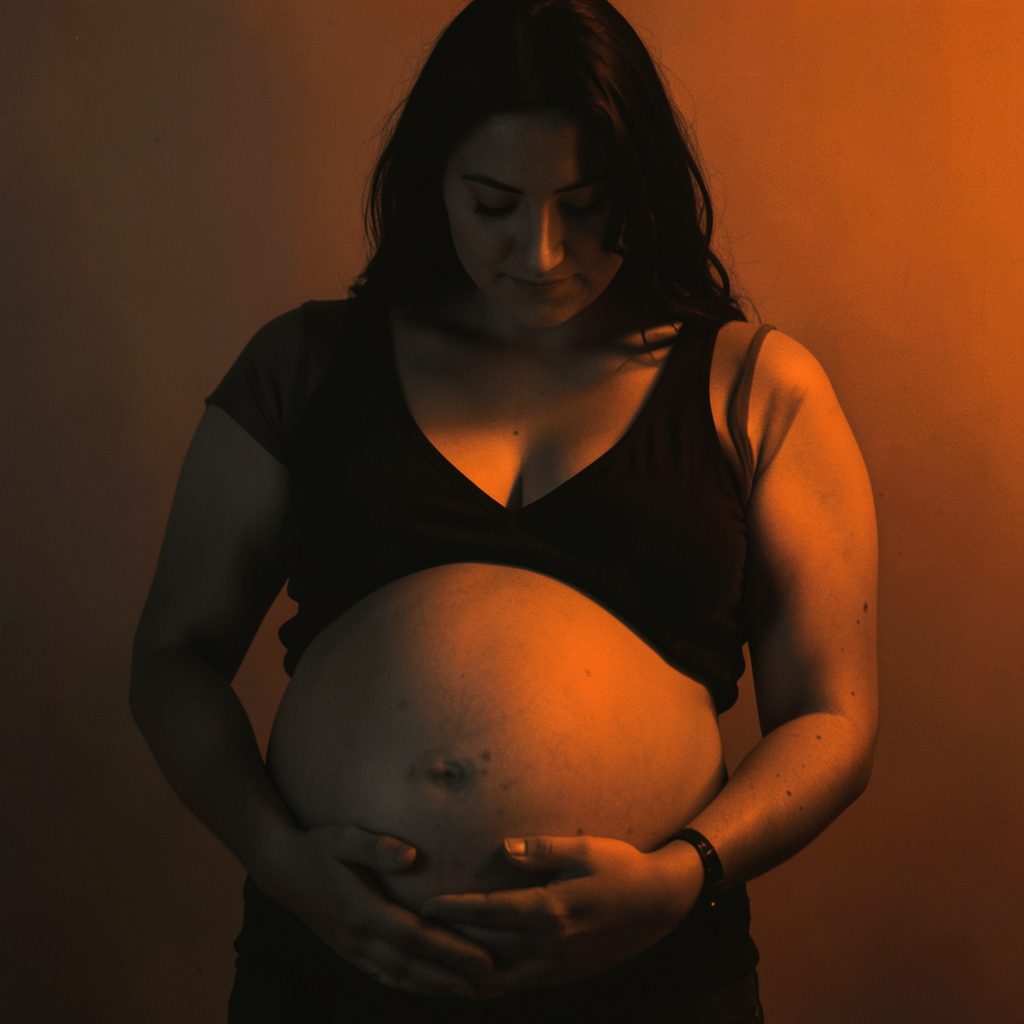
When a pregnancy decision is still being made, practical support can include links to prenatal care, a hospital social worker, pregnancy counselling, transport, housing and living essentials. One World’s resources for pregnant women and birth mothers may also include help understanding possible financial assistance, while its teen pregnancy support offers a discreet route for younger parents who need guidance.
Australian services operate through a different network. Expectant parents may turn to Services Australia and Centrelink for income support, Medicare-covered maternity care and state maternal-health services; local councils and community organisations can assist with housing or food insecurity. A family in Brisbane, for instance, would work with Queensland Health, whereas a Melbourne family may begin through a hospital or Victorian family-support service.
Legal pathways across jurisdictions
Legal guidance is another central task. A Florida caseworker can help families understand consent, home studies, court requirements, medical documentation and the steps leading to finalisation, while recommending an independent Florida attorney when a legal issue needs formal advice. The caseworker coordinates; the attorney advises on rights and the court makes binding decisions.
Australian adoption is regulated by each state or territory rather than run as a commercial marketplace. Depending on location, the relevant body may be the NSW Department of Community Services, the ACT’s Australian Capital Territory Adoption Corporation or a Queensland adoption authority. A proposed move from Sydney to Melbourne can trigger extra assessment and approval in the receiving jurisdiction, so interstate and overseas adoptions require early, jurisdiction-specific advice.
Preparing families for placement
Once adoption appears likely, preparation shifts toward matching and placement planning. The caseworker reviews each household’s capacity, experience, preferences and ability to support a child’s health, identity and relationships. For an expectant parent, this may involve discussing the birth plan, infant supplies, photographs and the information an adoptive family will receive, with decisions kept voluntary and appropriate to the child’s best interests.
A guardian has a distinct legal position, so its responsibilities should not be confused with a caseworker’s coordination role. Guardian responsibilities explain the Florida framework, while Australian families should ask their local authority how guardianship and consent are handled. A caseworker may facilitate these discussions, but signing consent or accepting a court appointment carries separate legal consequences.
Communication, consent and cultural safety
Clear boundaries help everyone navigate the journey. Confidentiality has legitimate limits when a child is at risk or the law requires disclosure, but outside those exceptions, a caseworker should protect sensitive information and explain who will receive updates. A communication plan can set practical expectations for calls, email, document exchange and decision timelines, including the time-zone difference when a Florida-based service and an Australian family are working together.
Cultural context also belongs in the plan. For Aboriginal and Torres Strait Islander families, trust cannot be assumed because earlier Australian policies forcibly removed children from their families. A culturally safe worker should listen to community protocols, involve appropriate kinship networks and connect families with Indigenous-led services. The aim is to place the child’s safety, identity and relationships at the centre.
Support that continues after placement
Placement is a transition, not the finish line. After a baby is born or placed, the caseworker can help coordinate legal paperwork, medical records, birth certificates, counselling and practical assistance. For birth mothers, post-birth support can include check-ins, housing help and assistance with contact preferences. Adoptive families may need guidance on settling a child, maintaining identity links and revisiting plans as the child grows.
Remember that the value of an adoption caseworker is measured in sound decisions, steady coordination and respectful support, not in promises or a quick placement. The person should remain a reliable guide while options, circumstances and plans develop over time.