
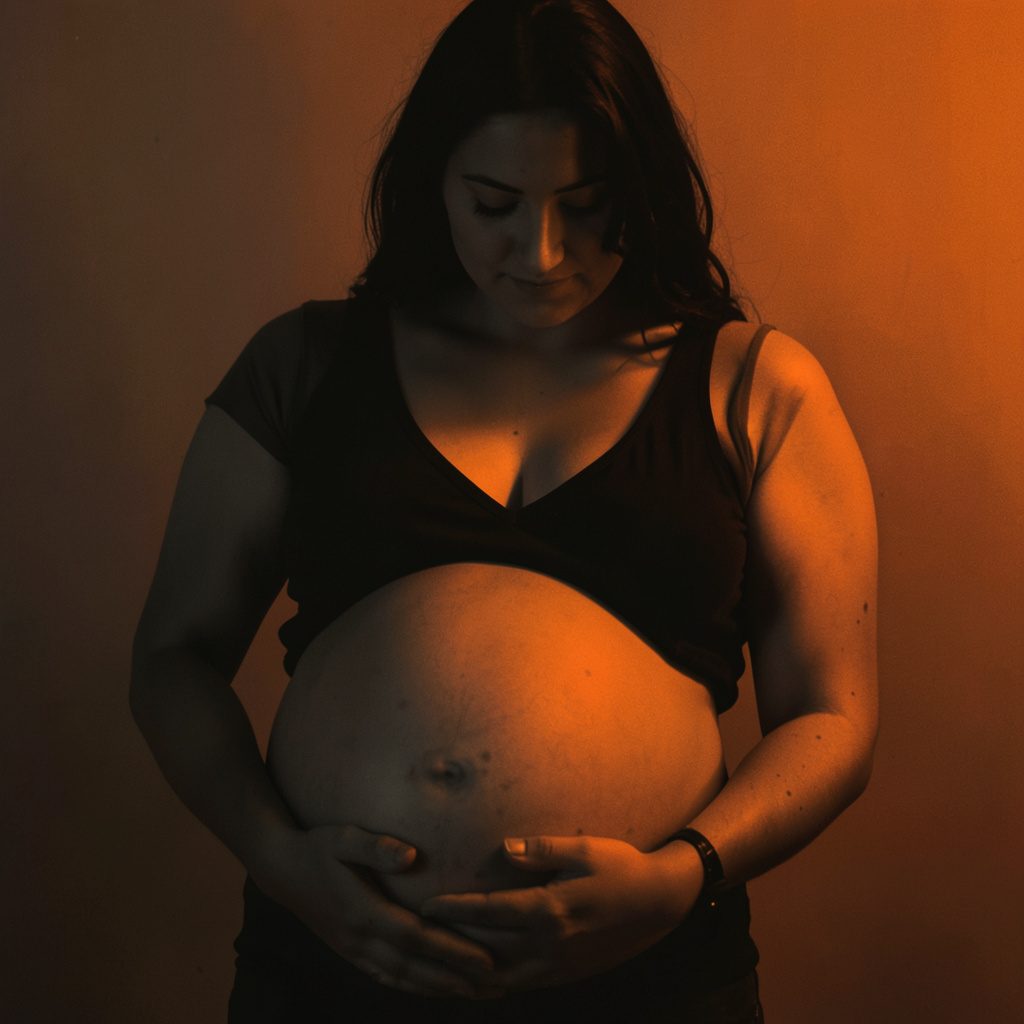




The Emotional Journey After Adoption Placement
Choosing adoption can involve love, careful planning and difficult emotions at the same time. For a birth mother, the days and months after placement may bring relief, sadness, confidence, doubt or several feelings in a single afternoon.
There is no fixed timetable for adjusting. Some women feel settled quickly, while others experience grief long after the hospital discharge or legal process has ended. Emotional responses can also change around birthdays, holidays, pregnancy milestones and family celebrations.
For families in Australia, support may look different depending on whether a woman lives in Sydney, Melbourne, Brisbane or a regional community. Medicare-funded healthcare, public hospital services, Centrelink concerns and state or territory adoption laws can all affect the practical side of recovery.
Feelings That Can Follow Placement
Many birth mothers describe a sense of loss after a child joins an adoptive family. Grief does not mean the decision was wrong. It can reflect the depth of the relationship formed during pregnancy and the significance of saying goodbye.
Other emotions may include peace, pride, anxiety, anger, numbness or guilt. A woman may feel happy that her child has a safe and loving home, then feel overwhelmed by sadness later. These changes are common and deserve compassion rather than judgement.
The Importance Of Ongoing Support
Support should continue after placement, rather than ending when the paperwork is complete. Confidential counselling can help a birth mother process grief, understand changing emotions and develop ways to manage difficult dates or conversations.
One World Adoption Services is a Florida-licensed private nonprofit agency that offers post-birth support alongside counselling, adoption guidance and practical assistance. Its approach is designed to respect personal decision-making and avoid pressure, which can be important when emotions remain uncertain.
Managing Contact And Updates
Some adoption plans include letters, photographs, calls or face-to-face contact. These arrangements can bring reassurance, although receiving an update may also trigger sadness or questions about the child’s life. Clear expectations and respectful communication help make contact more manageable.
A birth mother may need time to decide what type of communication feels healthy. In Australia, families should also remember that adoption rules and contact arrangements differ between states and territories. Advice from an appropriately qualified local professional is important before relying on general information.
Physical Recovery And Mental Health
Emotional healing is closely connected to physical recovery after birth. Sleep disruption, hormonal changes, pain and the demands of caring for a newborn before placement can intensify distress. A GP, midwife or maternal health nurse can help identify when additional care is needed.
Australian women may access care through a public hospital, Medicare-supported GP appointments or private health services. Someone in a regional area may use telehealth when specialist counselling is not nearby. Persistent hopelessness, panic, severe anxiety or thoughts of self-harm require urgent professional help.
Family, Culture And Personal Identity
Relatives and friends may have strong opinions about adoption, even when they do not understand the circumstances behind the decision. A birth mother can choose which details to share and may need firm boundaries around comments, visits and social media.
Cultural identity can also shape the experience. Aboriginal and Torres Strait Islander families may need culturally safe support that recognises kinship, community and the importance of keeping children connected to culture. Services should listen carefully to each woman’s values rather than applying a single model of healing.
Finding A Way Forward
Moving forward does not require forgetting the child or denying the bond created during pregnancy. It may involve journalling, peer support, counselling, spiritual practices, work, study or quiet routines that restore a sense of control.
Practical pressures can affect recovery as well. Housing, transport, employment and Centrelink matters may need attention, especially for a young mother or someone living independently. Support from a trusted person can make appointments and daily responsibilities feel less overwhelming.
The emotional journey after placement is personal and can change over time. A birth mother deserves space to grieve, permission to feel proud and access to respectful support that recognises both realities. What she should remember is that complex emotions are a human response to a significant decision, not evidence that she has failed.