
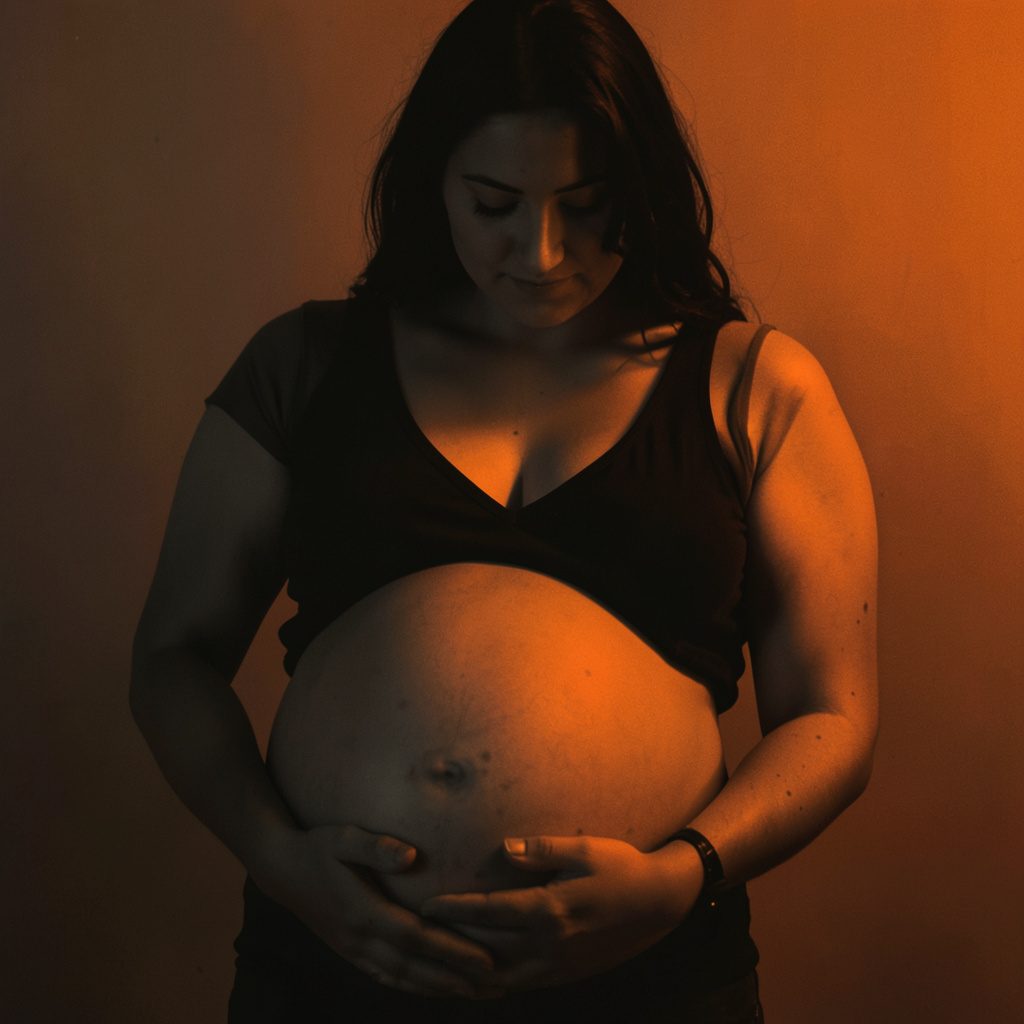




Writing a Thoughtful Letter to Your Baby’s Adoptive Family
A letter to your baby’s adoptive family can share the parts of your story that you want them to carry forward. It may help them understand your hopes, your personality and the love behind your adoption decision.
There is no perfect length or required format. Some birth mothers write one page, while others create several pages over time. You can write by hand, type a document or record memories for an agency to preserve, depending on the agreed plan.
If you are in Australia, remember that adoption laws and contact arrangements vary between states and territories, including New South Wales, Victoria and Queensland. If an adoption involves Florida, One World Adoption Services can explain the relevant process, while local Australian legal advice may also be important.
Your letter should reflect your real voice rather than sound formal. You can write it during pregnancy, after birth or in short sections when emotions and memories feel manageable.
Start With Your Baby’s Story
Begin with simple details about your baby’s arrival and the feelings surrounding the adoption plan. You might mention the season, a meaningful place, family traditions or what you noticed during pregnancy.
Share the name you have chosen, if you want to, and explain its meaning. You can also describe hopes for your child’s future without making promises about circumstances you cannot control.
Share What You Hope For
Many adoptive parents value knowing what you hope your baby will experience: safety, encouragement, education, close relationships or opportunities to explore the world. Specific wishes can make the letter personal.
You might write about ordinary moments you hope they will enjoy, such as weekend sport, family meals, music or trips to the beach. References to places such as Melbourne’s laneways, Sydney’s coastline or the wide distances between Perth and Brisbane can help preserve a sense of Australian background when relevant.
Choose Details That Feel Safe
You decide what personal information belongs in the letter. You may include family medical history, cultural background, hobbies, favourite books or physical traits, while leaving out details that feel too private.
Ask the agency how confidential information will be stored and shared. A Florida-licensed adoption professional can help clarify what belongs in a letter, what should remain in medical records and whether identifying information is permitted.
Make Room for the Family’s Voice
A letter can acknowledge the adoptive parents without pretending that the adoption decision is emotionally simple. You might describe the qualities you hope they will bring to parenting, such as patience, humour, stability and openness.
You can also invite them to tell your child about their origins in an age-appropriate way. If an ongoing connection has been agreed, refer to that arrangement carefully rather than creating expectations beyond the formal adoption plan.
Consider Culture and Identity
Your child may one day have questions about heritage, nationality, religion, language or family customs. Include what you know and explain which traditions you hope they will understand or continue.
If Aboriginal or Torres Strait Islander heritage is part of your child’s identity, cultural connection should be handled with care and respect. Record accurate family information and discuss appropriate support with qualified professionals rather than relying on assumptions or general descriptions.
Revise With Support
Write a first draft freely, then return to it later. Reading it aloud can reveal whether the wording sounds like you and whether any sentence feels too pressured, apologetic or difficult to explain.
A counsellor or adoption caseworker can review the letter with you without taking ownership of your story. One World Adoption Services offers confidential, no-pressure counselling and adoption guidance, so you can ask for support while keeping the final decisions yours.
Send It in the Right Way
Some adoption plans use a sealed letter, a digital record or an agency-managed exchange. Confirm the process before sending anything directly, especially if the adoptive family lives overseas or the arrangement includes future updates.
For an Australian family mailing approved documents, Australia Post tracking may help confirm delivery, but ordinary personal letters should still follow the agency’s privacy instructions. Keep a copy of what you send and note the date, version and any agreed conditions.
Your letter does not need to explain everything. It needs to preserve the truths you are ready to share with your child and their adoptive family. Draft one honest page this week, then give it to your adoption caseworker for a confidential review before sending it.