
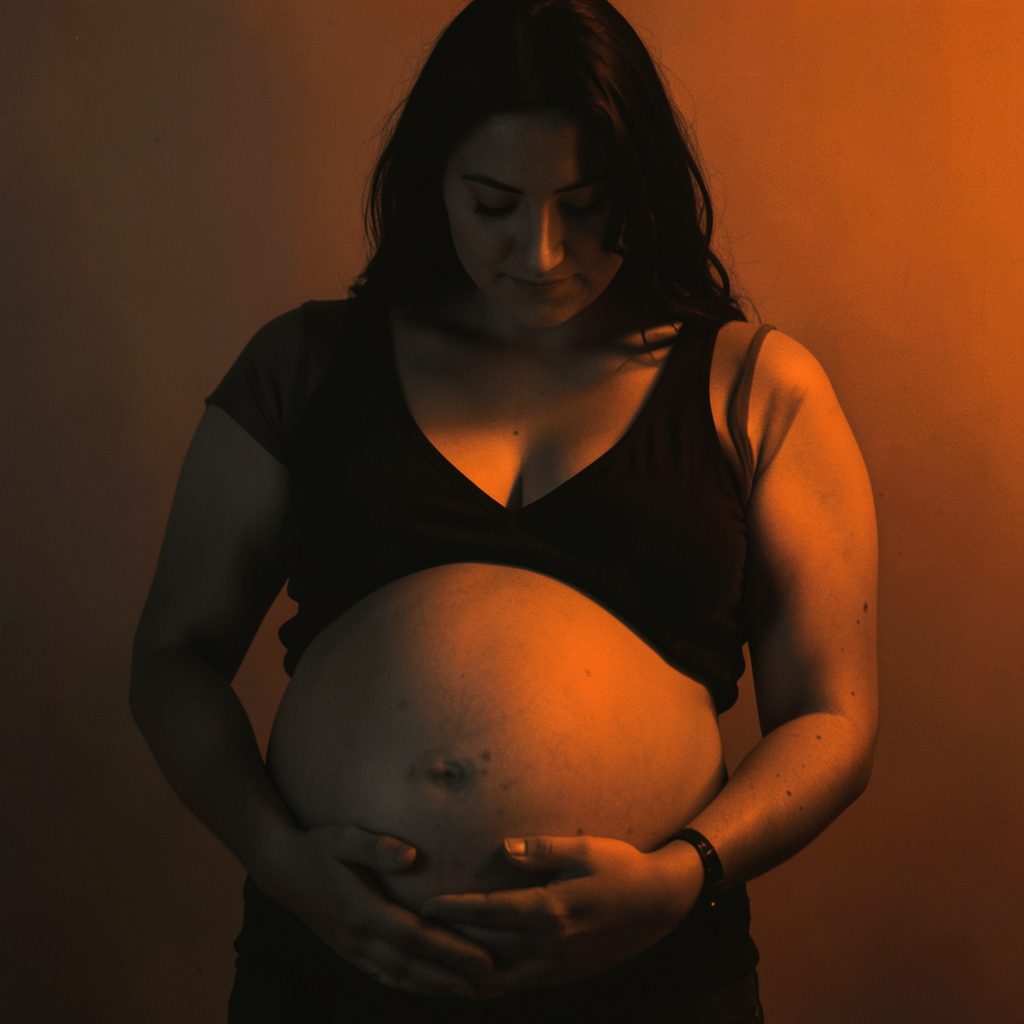




Telling your parents you are pregnant and considering adoption
Picking up the phone, knocking on the bedroom door, or sitting your folks down at the kitchen table — telling your parents you are pregnant is rarely simple, and adding the words "and I am considering adoption" can make it feel even heavier. Most people rehearse the conversation a hundred times in their head before anything comes out. In Australia, where unplanned pregnancy often sits alongside Medicare appointments, uni deadlines, and casual shifts at the local cafe, the pressure to "have it sorted" can be its own kind of noise. What follows is a way to slow that noise down and have the talk in a way that protects both you and your relationship with your family.
You do not need every answer before you speak. You only need honesty about where you are right now and a willingness to listen once the room goes quiet. With that in mind, here are some practical ways to approach the conversation without losing yourself in it.
Get clear on what you feel and what you want first
Before you involve anyone else, give yourself a few quiet hours — a long walk along the river, a cuppa on the back porch, a slow Saturday arvo — to separate the panic from the actual question. The panic is loud; the question is usually smaller. It might sound like: "Do I want to parent, or am I leaning towards an adoption plan?" That is the real sentence to answer first.
Writing things down helps. Australian clinics, GPs, and services like Pregnancy Birth and Baby (1800 882 436) offer free, confidential chats over the phone before anything reaches your family. A single call can give you language for what you are thinking and remind you that you do not owe anyone a polished answer on day one.
Pick a place where interruptions are unlikely
Where the conversation happens matters as much as how it happens. Aim for somewhere private, comfortable, and free of a clock ticking down to footy practice or a Woolies shift. That usually means home rather than a busy cafe, and a time when your parents are rested rather than rushing between meetings.
A useful line in your head can be as short as: "I need to talk to you about something serious and I would like you to just listen while I get through it." That one sentence often softens whatever comes next, because parents tend to match the tone you set.
Lead with the news, then share your thinking
There is no friendly warm-up that prepares a parent for this, so do not waste energy trying to find one. Open with the pregnancy, pause to let it land, and only then mention adoption as one of the options you are weighing. Saying "I am pregnant, and at this stage I am thinking about my options, including parenting and adoption" gives them the full picture without forcing a decision on the spot.
Avoid apologising as if you have done something wrong. Unplanned pregnancy is common across every postcode from Parramatta to Palmerston, and it is not a confession. What you are offering your parents is trust — you are letting them in early, while there is still time to think alongside you.
Expect silence, then a strong reaction
Even calm parents can go quiet for a long minute. Some will ask about the partner. Some will ask about money, study, or the lease. A few will cry. Try to sit with the first wave rather than rush to fill it. Reactions almost always soften once the initial shock passes, especially when you stay steady and keep speaking in short, honest sentences.
If they immediately say "we will support whatever you choose," accept that as the gift it is. If their first reaction is a flat "no" or anger, that is worth hearing too. Neither answer is the final word on what you decide.
Answer the common questions without oversharing
Parents in Australia often frame their worries in practical terms: How will uni continue? What about rent in Sydney or Melbourne? Does Medicare cover everything? Will we still be allowed to see the child if it is an open adoption? Have you thought about Centrelink if you keep the baby? These are fair questions, not attacks.
You are allowed to say, "I am still working that out" or "I have a counsellor helping me look at the details." You do not need to know the differences between the NSW Adoption Act 2000 and the Victorian Adoption Act 1984 in your pocket on the first night. You only need to show you are taking the question seriously.
Bring a professional into the loop early
A counsellor, GP, or adoption practitioner can take a lot of pressure off the family conversation. In Australia, options range from Relationships Australia and your local community health centre to licensed private agencies and, for younger people, Headspace. Whoever you choose, having a second adult in the room — even on speakerphone — tells your parents that this is a real decision being made carefully, not a passing thought.
Open adoption is the most common arrangement in Australia today, and that often surprises grandparents who grew up with the sealed-record model. A professional can gently explain what ongoing contact can look like, which frequently reassures parents who fear they will "lose" a grandchild entirely.
Look after yourself once the words are out
The hours after the conversation tend to feel strangely empty. Eat something. Text a friend. Book the next counselling session. If the talk went well, resist the urge to plan the next ten steps in one go; if it went badly, remind yourself that first reactions are not final positions.
A concrete next step is to call Pregnancy Birth and Baby on 1800 882 436, ask for a free options counselling session, and write down one question you want answered before the week is out. From there, the road becomes a series of smaller, manageable decisions rather than one impossible conversation.