
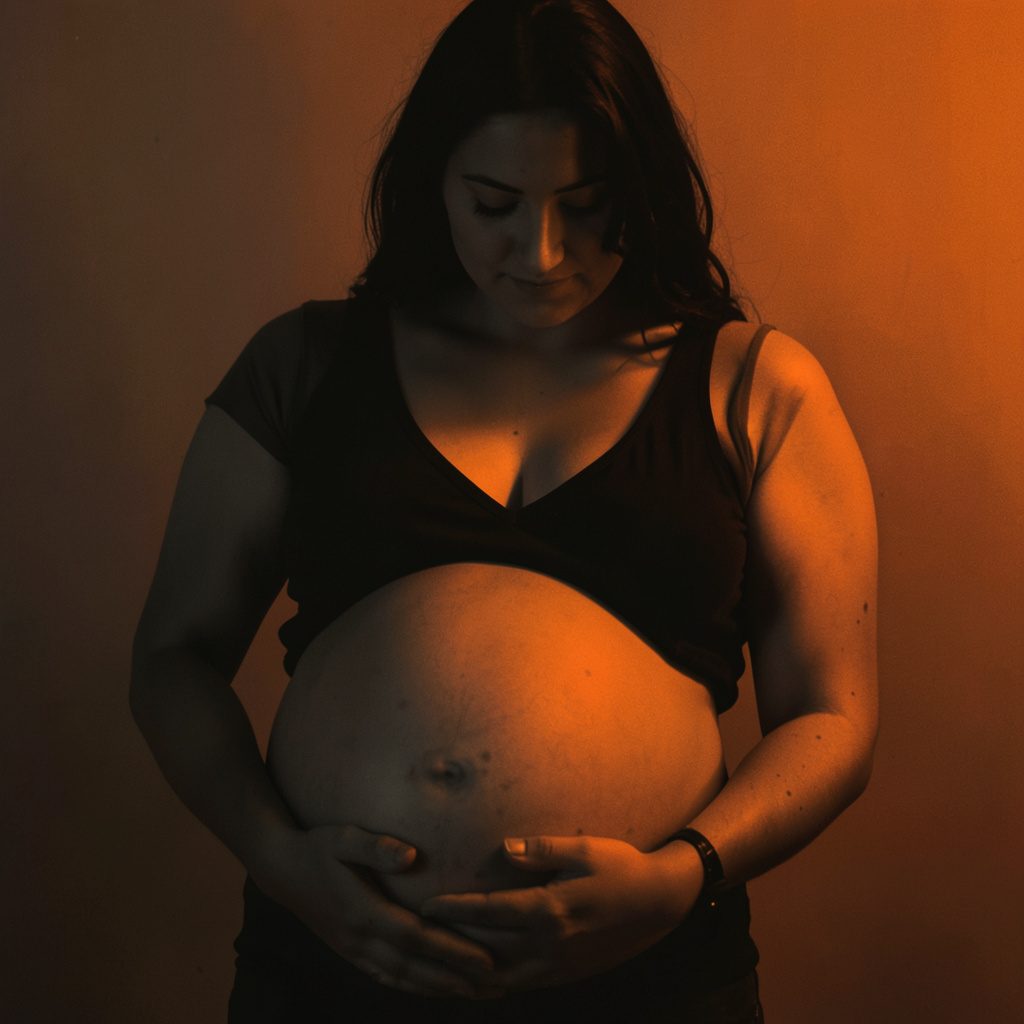




Healing after an adoption decision you were not sure about
Choosing adoption can bring relief, love, sadness and doubt at the same time. You may feel certain one day and question yourself the next. These changing emotions do not mean you made a careless decision or that you are failing to cope. They may reflect grief, recovery from pregnancy and birth, and the difficulty of living with a decision that affects several lives.
Healing after an adoption decision you weren’t sure about takes time and compassionate support. Whether the adoption occurred in Australia, involved an overseas arrangement, or was supported by a Florida-based agency such as One World Adoption Services, your feelings deserve attention without pressure or judgement.
Make space for mixed emotions
You may grieve the daily moments you imagined: feeding your baby, choosing clothes or watching them grow. You might also feel peace knowing your child is being cared for, then experience guilt for feeling relieved. These emotions can exist together without cancelling each other out.
Try naming each feeling accurately rather than judging it. “I miss my baby,” “I feel angry,” and “I need reassurance” are clearer and kinder than telling yourself that you should be coping better. Writing in a private journal or using a notes app during a quiet cup of tea can help you notice patterns.
Separate grief from self-blame
Self-blame often turns a complex situation into a single accusation: “I should have known.” In reality, adoption decisions can involve housing insecurity, financial pressure, health concerns, relationship breakdown, age, family expectations and limited support. You made decisions with the information and resources available at the time.
A counsellor experienced in adoption loss, birth parent support or reproductive grief can help you examine those circumstances safely. In Australia, you can begin with a GP in Brisbane, Melbourne, Perth or your local area and ask about a Mental Health Treatment Plan. Medicare may help cover eligible psychological services, although availability and out-of-pocket costs vary.
Build support that feels safe
Choose people who can listen without insisting that adoption was either entirely right or entirely wrong. A trusted friend, sibling, partner, support group or social worker may offer steadiness while you process the decision. You are allowed to limit conversations with relatives who criticise you or repeatedly ask for details.
If distress becomes overwhelming, contact Lifeline on 13 11 14 in Australia, or call 000 in an immediate emergency. Postnatal depression, anxiety and trauma symptoms can appear after birth and may continue long after placement. Persistent hopelessness, panic, insomnia or thoughts of self-harm deserve prompt professional care.
Understand contact and changing needs
An adoption plan may include letters, photographs, mediated updates or direct contact, depending on the agreement and applicable law. Your feelings about contact can change as your child grows. Wanting communication does not make you demanding, and needing distance does not mean you love your child less.
Australian adoption legislation and contact arrangements differ between states and territories. An arrangement in New South Wales may not follow the same process as one in Victoria or Queensland. Keep copies of agreements and speak with an accredited local adoption service or independent legal adviser before relying on assumptions about enforceability or future changes.
Give yourself practical stability
Emotional recovery is harder when everyday life feels unsafe. Consider small supports for sleep, meals, transport and appointments. Australia’s rental costs, childcare expenses and general cost of living can add pressure, particularly in Sydney, Melbourne and other high-demand areas. A social worker may help you explore Centrelink payments, community housing services, emergency relief or local parenting resources.
If your adoption involved One World Adoption Services in Florida, the agency may provide confidential counselling, post-birth support and guidance about available records or communication within its role. Australian residents should also obtain advice from services licensed in their state, especially where US and Australian requirements overlap.
Let healing change shape
You do not have to reach one permanent opinion about the adoption before you are allowed to move forward. Healing may mean building a meaningful routine, studying, returning to work, caring for other children, creating a memory box or marking your child’s birthday privately. These actions honour your experience without defining your whole identity by it.
Some days may feel ordinary until a song, date or family announcement brings the grief back. That does not erase your progress. Recovery is often a gradual ability to hold love, loss and hope without being consumed by any one of them.
You deserve support that respects your decision-making and leaves room for honest uncertainty. Start by booking a GP appointment or contacting a qualified adoption counsellor this week, and write down three feelings or concerns to take with you.