
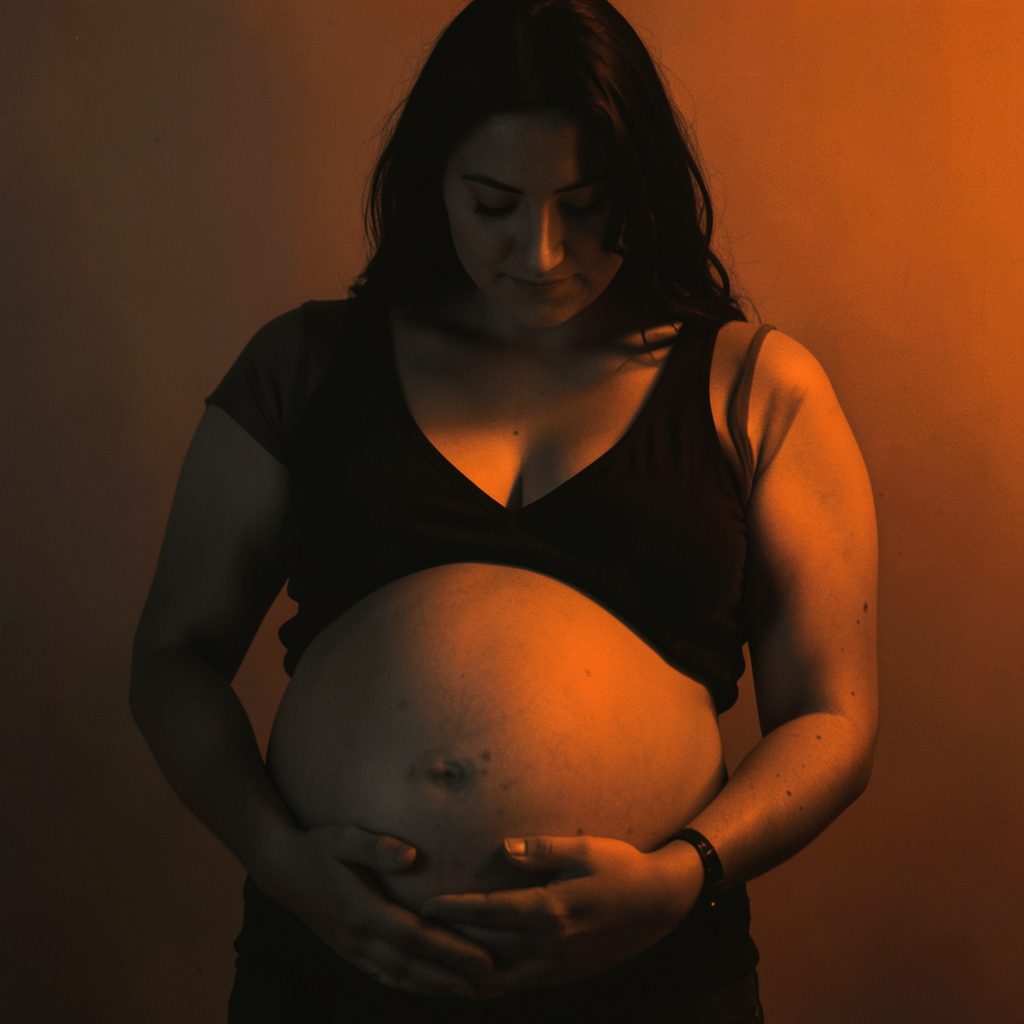




Building a Memory Book for Your Child’s Adoption Story
A memory book for your child’s adoption story can hold the photographs, documents and voices that connect one chapter of life to another. It can help a child understand where they came from, how they came to be part of your family and the love surrounding their beginnings. Done thoughtfully, it becomes a keepsake of identity and belonging rather than simply a record of dates.
Building the book does not require having every answer or a complete adoption file. You can begin with what your family knows and add material as more information becomes available. The process works best when it is gradual, private and sensitive to the feelings of everyone involved.
Choosing what belongs
Begin with your family’s preferred language. Australian families may use terms such as “birth mother”, “adoptive parents” and “placement”, although every family can choose different words. A simple title like “Our Family Story” can feel more inclusive than language that suggests the story has only one authorised version.
Decide together which experiences are important and whether the birth mother has consented to anything that will appear. This matters especially when photographs, hospital details or personal letters are included. A respectful memory book acknowledges the child’s beginnings without exposing private information or creating difficult surprises for later.
Official papers can add depth, but check requirements with the relevant state registry. In NSW, contact the Registry of Births, Deaths and Marriages; in Victoria and Queensland, use the relevant state BDM office. A child adopted interstate may have records spread across several jurisdictions, and each registry can explain which adoption orders or certified extracts are available.
Building a gentle timeline
Organise the material around moments rather than a rigid calendar. “Before placement”, “The first days” and “Our first year at home” often work better than a long list of clinical dates. Include ultrasound images, a newborn bracelet, an early outfit, family photographs, notes from the midwife and the small details that would otherwise be forgotten.
Separate facts from feelings. A birth date might sit beside a parent’s handwritten memory of hearing the news, while the first journey home can be paired with a voice message from a relative. These details show that an adoption story contains both history and emotion, giving the child a richer understanding of their beginnings.
Leave space for uncertainty. Some families may not know when conception occurred, who was present at the birth or how placement happened. Write “we do not know yet” where appropriate. Medical images and descriptions of birth can be powerful for some people but distressing for others, so review them carefully before placing them in the book.
Adding people, places and culture
Local details can make the story tangible. Mention the hospital without publishing its street address, then record the suburb, weather, nearby park or favourite family restaurant. A day at St Kilda in Melbourne, a walk near Circular Quay in Sydney or an ordinary afternoon in Brisbane can become part of the child’s earliest home in Australia without revealing identifying information.
Include the wider circle of people who helped welcome the child: siblings, grandparents, close friends, midwifery and medical staff, and chosen family. Many Australian families naturally describe relatives as “aunty”, “uncle” or “nan”, and those everyday labels can give the memory book warmth. Ask contributors to add a memory, drawing or short recording rather than expecting one person to tell the whole story.
Cultural identity deserves particular care. If the child has Aboriginal or Torres Strait Islander heritage, names, images and Country information should be handled with appropriate community guidance and permission. Where donor conception or surrogacy was involved, describe genetic, legal and social relationships accurately rather than compressing them into a simplified timeline.
Protecting privacy and preserving memories
A memory book often contains a child’s full name, birth date and adoption details, making privacy essential. Avoid posting close-up images of certificates, bracelets or identifying documents on social media, even within private family groups. Store official papers in a secure, fire-rated document safe or locked drawer, and keep digital copies encrypted.
One World Adoption Services is a Florida-licensed nonprofit adoption agency, so its guidance is most directly relevant to families with a Florida connection. Its explanation of the benefits of counselling can help adults assess whether emotional support would be useful. Families in Australia should consult local professionals for legal and clinical advice.
Preservation requires more than one copy. Use acid-free albums for photographs and keep important originals away from damp, heat and direct sunlight. Scan documents and photographs at good quality, save them in a durable file format, and maintain both an encrypted cloud backup and a separate physical drive. Review the collection as the child grows so sensitive information can be removed or updated with consent.
Letting the story grow
A memory book should change as the child does. Young children may respond best to simple picture pages and familiar voices, while primary-school-aged children might enjoy letters and timelines. Teenagers may prefer having the book privately and deciding for themselves when and how to revisit it. Do not force a fixed narrative on someone whose understanding of adoption is still developing.
Support should extend beyond the family album. A GP can explain whether a Mental Health Treatment Plan provides access to Medicare-subsidised psychology sessions, while Relationships Australia and local adoption organisations offer family and grief support. If adult relationships around the adoption become strained, qualified family therapy or mediation is more useful than informal support options without checking each provider’s adoption experience, ethics and privacy policies.
Add new pages for birthdays, cultural celebrations, school milestones and family traditions. Let the child contribute drawings, captions and recordings when they are able, and preserve disagreements respectfully rather than rewriting them. The book can then reflect the child’s own voice as well as the adults who helped preserve their story.
What your child should remember is that their beginnings mattered, their relationships were handled with care and their place in your family is secure.