
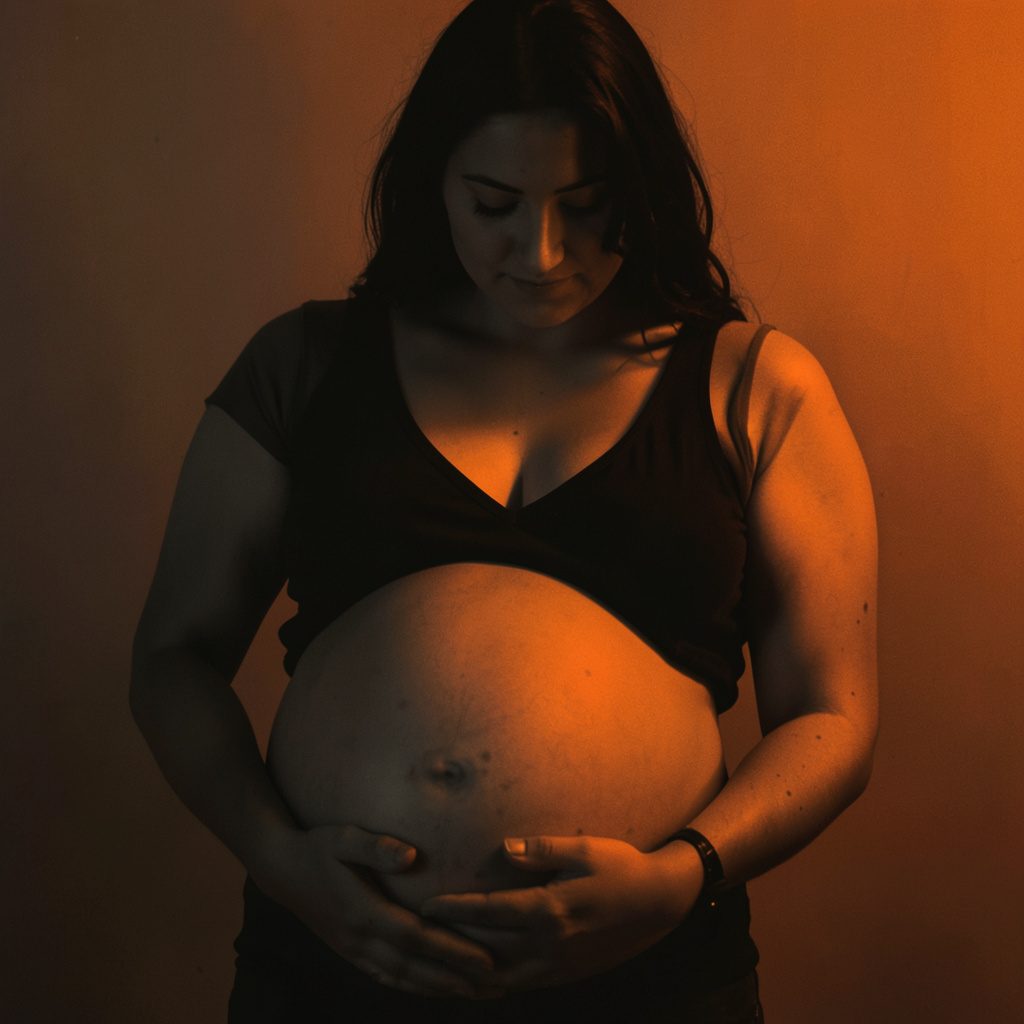




Housing Assistance for Pregnant Women in Florida
Finding a safe place to stay during pregnancy can become urgent when rent rises, family support is limited, or a tenancy ends unexpectedly. In Florida, pregnant women may be able to access a combination of temporary housing, living assistance, healthcare referrals, and adoption-related support.
One World Adoption Services is a Florida-licensed private nonprofit agency supporting pregnant women and birth mothers through confidential, no-pressure counselling. Housing and living assistance may form part of an individual support plan, alongside guidance about pregnancy options, medical care, legal matters, and post-birth needs.
For Australians researching Florida services, the system may feel unfamiliar. Housing rules, healthcare funding, transport, and adoption procedures operate under US and Florida requirements rather than Australian state or territory frameworks.
A clear first step is to discuss personal circumstances privately with a qualified agency worker. The type of help available can depend on safety, pregnancy needs, income, current accommodation, transport, and whether adoption is being considered.
How Housing Support Can Work
Housing assistance may include referrals to emergency accommodation, a temporary place to stay, help with essential living costs, or connections with community organisations. Support is usually arranged around the person’s circumstances rather than provided as an automatic payment or guaranteed tenancy.
Some pregnant women need a safe arrangement for several weeks, while others require help with food, transport, utilities, clothing, or communication costs. A caseworker can help identify immediate risks and coordinate practical referrals without pressuring someone to choose adoption.
Florida Housing Realities
Florida’s rental market varies significantly between areas such as Miami, Orlando, Tampa, Jacksonville, and smaller inland communities. Deposits, application fees, transport costs, and limited vacancy can make private renting difficult, particularly for someone with irregular income or no rental history.
Weather can add another concern. Hurricane warnings, evacuation zones, flooding, and power outages may affect temporary accommodation and travel to medical appointments. A sensible housing plan should consider emergency alerts, access to medication, reliable phone service, and a safe route to prenatal care.
Assistance During Pregnancy
A support agency may help connect a pregnant woman with prenatal providers, hospitals, counselling, food programmes, and local charities. Medical eligibility and costs can differ according to immigration status, income, county, and insurance arrangements, so these details should be checked directly with an appropriate provider.
Accommodation should support rest and regular medical care. When assessing a possible placement, it is useful to consider privacy, household safety, distance from a clinic, access to public transport, and whether children or pets also need accommodation.
Adoption And Personal Choice
Housing assistance connected with an adoption agency should never require a person to surrender parental rights. A pregnant woman can ask questions about parenting, adoption, and other available resources before making a decision, and counselling should remain confidential and free from coercion.
Birth mothers may also need help explaining changes at home to an older child. Age-appropriate conversations and emotional reassurance can make the period less confusing; practical guidance on supporting an older child can be useful when family circumstances are changing.
What Australians Should Know
Australian readers may recognise some cost pressures from Sydney or Melbourne, where high weekly rents and large rental bonds can make sudden moves difficult. Florida’s arrangements are different: there is no direct equivalent of Australia’s state-based tenancy system, and housing assistance may involve county programmes, nonprofits, shelters, or private providers.
Centrelink payments, Medicare, and state housing services cannot generally be transferred into a Florida support arrangement. Someone travelling from Australia would need to clarify visa conditions, healthcare access, insurance, and eligibility before relying on local assistance.
Everyday logistics also matter. Australians accustomed to trains and walkable inner-city services may find many Florida areas car-dependent, particularly outside central Miami, Orlando, or Tampa. A low-cost room that is far from healthcare may be less practical than a modest placement near a clinic and bus route.
Preparing For A Housing Conversation
Before speaking with an agency, gather any available information about current accommodation, income, pregnancy care, identification, medication, dependants, and immediate safety concerns. It is still worth making contact if some documents are missing; a caseworker can explain what is needed and where replacement documents may be obtained.
Ask what type of accommodation is available, how long support may last, whether costs are covered, what rules apply, and who remains responsible for medical or legal expenses. Also clarify privacy arrangements, transport, visitors, pets, and what happens if circumstances change.
A practical plan should record the agency contact, housing address, clinic details, emergency numbers, transport options, and backup accommodation. For someone facing immediate danger, homelessness, or a medical emergency, emergency services or a local crisis provider should be contacted without delay.
The most useful approach is to treat housing as part of a wider pregnancy support plan. Confirm eligibility, costs, safety arrangements, healthcare access, and transport in writing where possible, then keep those details together so decisions can be made with greater stability and control.