
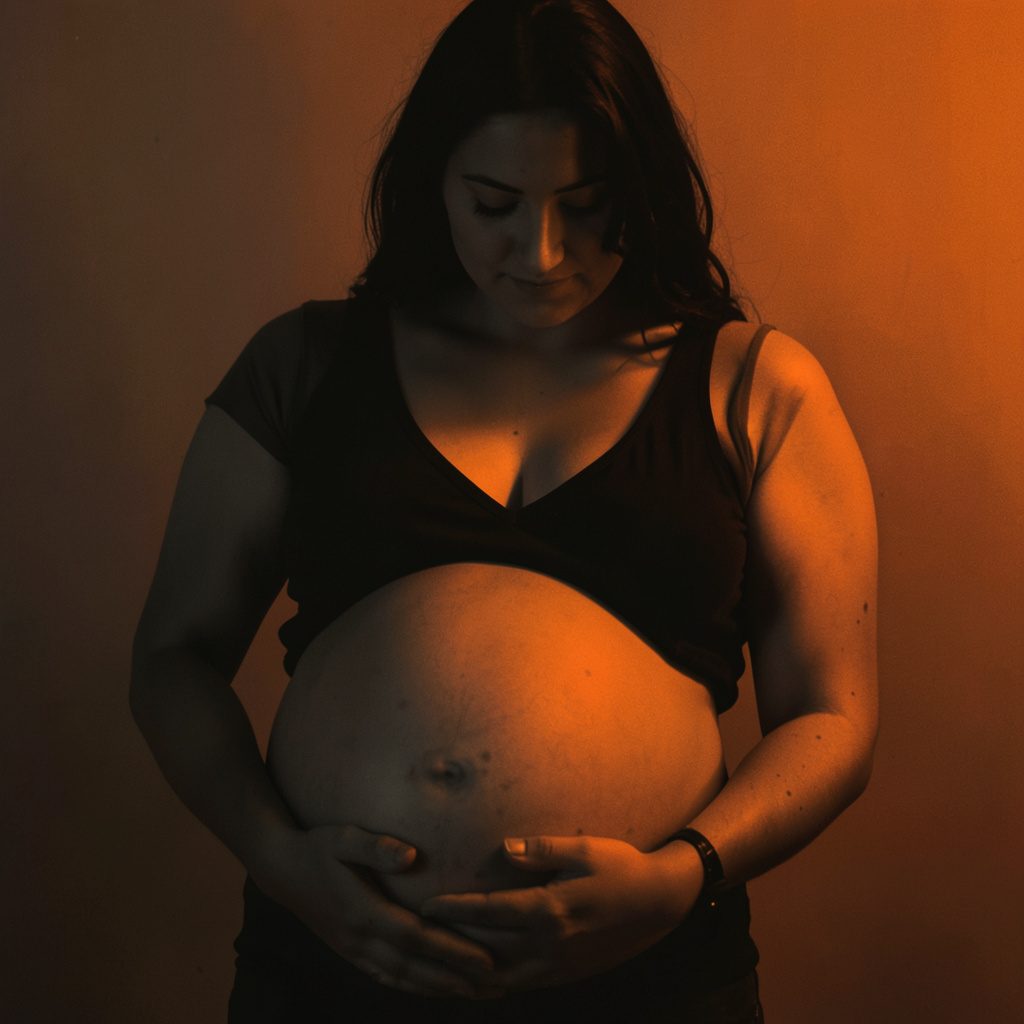




Caring for Your Mental Health During the Adoption Process
Choosing an adoption path, or supporting someone who is, brings a unique blend of grief, hope, fear, and relief. The emotions do not arrive in a tidy sequence, and they rarely settle quickly. Treating your mental wellbeing as a priority rather than a luxury is one of the most important things you can do for yourself and your family.
In Australia, where adoption is far less common than in decades past, many pregnant women and birth mothers feel they are walking unfamiliar ground. Local adoption is generally arranged through state and territory departments alongside accredited providers, and community understanding of the process remains limited. Reaching out to a confidential, non-pressured service such as One World Adoption Services can give you space to think clearly about your options from wherever you are.
The hormonal and psychological shifts of pregnancy alone are significant. Add in questions of identity, relationships, finances, and long-term meaning, and the emotional load becomes substantial. Australian services like PANDA (Perinatal Anxiety and Depression Australia) and Beyond Blue exist specifically to support women through this kind of pressure, and they pair well with adoption-specific counselling.
You do not have to face the process alone. Whether you live in a capital city or a regional town, there are people and organisations trained to listen without judgement and to walk alongside you.
Understanding the emotional layers of an adoption decision
Adoption involves both loss and possibility, often within the same conversation. Pregnant women may feel relief at choosing a path that feels right alongside deep sadness about the one not taken. Birth fathers, adoptive parents, grandparents, and siblings each bring their own emotional responses. Recognising these reactions as normal rather than as signs of weakness helps you approach them with curiosity instead of fear.
Writing down what you feel, speaking with a trusted friend, or simply sitting with the discomfort can help you name what is happening inside. In cities such as Sydney, Melbourne, and Brisbane, pregnancy choices counselling is available through community health centres, though many women still report feeling isolated when considering adoption specifically because it remains uncommon in contemporary Australian life.
Giving yourself permission to hold contradictory feelings at once, such as love for the child alongside confidence in your decision, is a healthy part of the process.
Accessing counselling and professional support in Australia
Australia's Mental Health Care Plan allows a GP to refer you for up to ten subsidised psychological therapy sessions per year. This Medicare benefit can be used for grief, anxiety, depression, or decision-making support during pregnancy. Many Australian women combine this mainstream public support with adoption-specialist services that understand the unique aspects of the journey.
For immediate emotional support, Lifeline on 13 11 14 and Beyond Blue offer free, around-the-clock phone and online counselling. Younger women can access Headspace centres, which operate in many regional towns as well as capital cities. These services complement rather than replace adoption-specific guidance.
One World Adoption Services provides confidential, pressure-free option counselling for pregnant women and birth mothers. Even though the agency is Florida-licensed, its counselling services are designed to be accessible across distance, and the team helps you explore your choices with care, clarity, and compassion regardless of where you live.
Building daily routines that protect your wellbeing
Small, consistent habits often matter more than dramatic ones during an adoption journey. Sleep, balanced meals, and gentle movement, such as walking along the Adelaide riverbank or swimming at Cottesloe Beach in Perth, support your body's natural ability to manage stress.
Mindful breathing, prayer, or meditation can steady your mind when emotions feel overwhelming. Limiting exposure to triggering social media content and surrounding yourself with people who respect your decisions also helps. Community peer groups remain a valuable connection point, whether you find them through local centres, faith communities, or organisations such as Relationships Australia.
Setting gentle boundaries with relatives who offer unwanted opinions is another protective habit. You do not owe anyone an explanation for your choices.
Navigating relationships and family dynamics
Partners, parents, and friends often hold strong views about adoption decisions. Holding your own position while staying connected requires clear, calm communication and, sometimes, professional mediation. In Australian culture, where mateship and family loyalty run deep, disappointing those closest to you can feel especially heavy.
Remembering that you are the one who will live with the long-term outcome helps anchor you in your own values rather than someone else's expectations. If you have a partner, attending couples counselling through Relationships Australia can help you navigate the decision together rather than separately.
Life after placement: processing grief, relief and hope
Post-adoption emotions often surprise women. Relief, guilt, joy, sorrow, and numbness can arrive in waves, sometimes months or years after the placement. Honouring these feelings rather than rushing past them is part of healthy mental recovery. Many Australian birth mothers find connection through peer groups, both online and in person, where stories can be shared safely.
Post-adoption support is something One World Adoption Services takes seriously, offering ongoing contact and resources as you adjust to life after placement. Connecting with other birth mothers, whether locally or further afield, can help you see that your experience, with all its complexity, sits within a wider human story.
Caring for your mental health during the adoption process is an ongoing act of self-compassion rather than a single task to complete. Lean on the support available to you in Australia, reach out to specialised services when you need them, and trust that you deserve care and kindness at every stage of the journey. The decisions you face are significant, and so is the way you treat yourself while facing them.